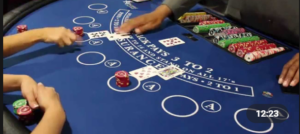
High risks poker is often romanticized in pop culture as a fast paced fight of nerves, defined by huge bluffs, remarkable done in statements, and continuous activity. Tv broadcasts and emphasize reels feed this narrative by reducing out hrs of ordinary folding to display just one of the most eruptive conflicts. Actually, the environment at the highest limits of the video game is specified by something completely various: a remarkable degree of restriction.
For a professional gamer running where thousands or countless bucks change hands in a solitary session, persistence isn’t simply a merit. It’s the core structure of their side. Without it, also one of the most mathematically fantastic planner will eventually catch the psychological stress and architectural volatility fundamental in high risks video games. Understanding how persistence materializes at this exclusive degree requires examining the intersection of card circulation, mathematical self-control, and psychological war.
The Mathematical Reality of Card Circulation
One of the most basic disagreement for persistence in poker is rooted in simple possibility. In standard Texas Holdem, a gamer gets 2 opening cards. There are 1326 unique beginning hand mixes. The vast bulk of these mixes are mathematically unprofitable to play from most settings on the table.
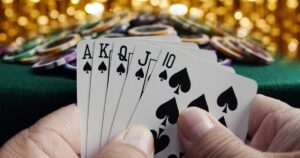
Also at a brief handed table, exclusive gamers invest approximately 75 percent to 80 percent of their time folding before the flop. At a complete ring table, that number can climb up also greater. This means that for hrs each time, a high risks professional is proactively paying blinds and folding cards, adding to the pot without taking part in the post flop activity.
Novices often translate a lengthy string of trash cards as an individual affront or an indication of misfortune, expanding progressively restless. A professional views this card dead duration as a analytical assurance. They understand that requiring a limited hand such as king jack offsuit from very early position from pure monotony is a straight leakage that ruins long-term win prices. The mathematical self-control to wait on lucrative opportunities, no matter of for the length of time the dry spell lasts, divides the exclusive from the vulnerable.
Information Gathering Throughout Durations of Lack of exercise
When an experienced professional folds up their cards pre flop, their involvement in the hand doesn’t quit. They don’t appearance at their telephone, inspect sporting activities ratings, or psychologically inspect out. Rather, they utilize their card dead durations to participate in extreme monitoring.
Every hand played at a high risks table provides critical information factors, also if you’re not involved. By remaining highly concentrated while folding, a client gamer puts together detailed psychological accounts on their challengers.
Wager Sizing Informs: Observing whether an challenger changes their wager sizing based upon the stamina of their hand or the sychronisation of the board structure.
Physical Timing: Keeping in mind for the length of time a gamer requires to inspect or wager in various circumstances, which can indicate convenience degrees or calculated deceptiveness.
Face-off Evaluation: Carefully evaluating the cards an challenger reveals at completion of a hand to reconstruct their mind and range building from previously roads.
When the client gamer finally gets a costs hand or discovers a perfect spot to perform a bluff, they can release this built up information to earn an extremely precise choice. The restless gamer that disregarded the table while folding will lack these subtleties, leaving them to play their cards in a vacuum cleaner.
The Psychological Battle Versus Psychological Turn
High risks poker is an examination of psychological endurance. The monetary swings are huge, and the aspect of variance ensures that also perfectly executed plays will often shed because of the unforeseeable nature of the community cards. This architectural volatility produces a breeding place for a mental specify known as turn, where aggravation and rage change rational choice production.
Persistence is the primary defense reaction versus turn. When an exclusive gamer experiences a serious bad beat or sheds a huge pot on a river card card, their disciplined frame of mind allows them to compartmentalize the loss. They approve that the result of an individual hand is totally unimportant compared with the long-term quality of their choices.
An restless gamer, excited to recover their shed chips instantly, will typically enter the very next hand with a broad, below ideal range. They’ll play strongly in a determined attempt to force an instant healing, a habits pattern known as vengeance wagering. High risks sharks appearance for these indications of impatience such as blood in the sprinkle, quickly separating the slanted gamer and removing away the rest of their chips.
Exploiting the Impatience of Challengers
At the highest limits of the video game, the technological ability space in between top gamers is often minimal. Everybody understands video game concept ideal play, hand ranges, and pot chances. Therefore, the primary resource of profit moved from technological supremacy to exploiting the psychological defects of your challengers. Impatience is one of the most exploitative susceptability available.
When you develop a reputation for severe persistence and selectivity, you produce an enforcing table picture. Your challengers start to respect your increases, presuming you must hold a costs mix whenever you willingly enter a pot. An experienced professional will use this produced picture to their benefit.
After folding for 2 hrs, a client gamer can all of a sudden perform a high risks bluff in a crucial spot. Because their table picture is so pristine, challengers are highly most likely to credit them with a beast hand and surrender a large pot. On the other hand, when the client gamer actually holds the nuts, they can use their picture to lure hostile, restless challengers right into overplaying their limited hands, maximizing the worth of their premium cards.
Managing Bankroll Durability and Video game Choice
The application of persistence prolongs much past the physical layout of the really felt. It’s equally critical to a gamers profession management, particularly regarding bankroll conservation and table choice. High risks video games can show up and vanish quickly, and the lure to bet the best on the planet simply to show your ability can be solid.
A professional poker gamer exhibits persistence by waiting on the right video games to run. They don’t rest at a table comprised completely of top rate experts where the potential side is razor slim or non existing. Rather, they patiently wait on align that consist of recreational gamers or gamers that are plainly having fun over their convenience area.
Additionally, persistence determines remaining at your established risks until your bankroll is mathematically secure enough to conjecture at a greater limit. Hurrying up in limits from impatience or a wish for condition is the fastest way to experience a profession finishing downswings. The professional acknowledges that the video games will constantly exist, and ensuring monetary durability is much more crucial compared to short-term vanity recognition.
Often Asked Questions
How can I maintain deep focus throughout an online competition that lasts for several days?
Preserving focus over multi day occasions requires managing your physical and psychological power. Exclusive gamers treat competitions such as sports occasions, focusing on organized rest, proper hydration, and clean nourishment. Throughout the occasion, taking short psychological damages by looking far from the really felt throughout dead hands helps protect cognitive power for complex, high risks choices later on at night.
Does an extremely client strategy imply I should never ever play strongly?
Not. Persistence and aggression are not opposites; they are corresponding aspects of winning play. A professional is highly careful about the circumstances they enter, which stands for persistence, once they determine a lucrative spot, they play their hands with ruthless aggression to maximize worth and fold equity.
How do I compare a chilly run of cards and having fun too passively?
A chilly run of cards is confirmed by monitoring your pre flop statistics. If you’re regularly folding because your beginning cards are mathematically unplayable such as 9 3 offsuit or jack 4 offsuit, you’re having fun properly. Passivity occurs when you’re dealt playable hands but decide to limp or call instead compared to raise and take control of the activity.
What is the best way to handle a hostile gamer resting straight to my left?
Having actually a hostile challenger on your left is a disadvantageous position because they act after you. One of the most effective modification is to tighten up your opening up ranges from very early and center settings, avoiding limited hands that are easily penalized by a re raise, and appearance for opportunities to catch them post flop by inspecting your solid hands.
How many hands each hr do you typically see in a high risks live video game versus online?
In an online casino setting, a dealership will literally shuffle and deal approximately 25 to 30 hands each hr. On the other hand, online high risks tables move a lot much faster, balancing 60 to 75 hands each hr each table. This enhanced speed online means card dead durations pass a lot quicker in actual time, production persistence easier to maintain.
Can an challenger make use of my client picture by regularly taking my blinds?
Yes, if you become completely foreseeable, observant challengers will raise your blinds often, knowing you’ll fold everything but premium cards. To prevent this, you must expand your protection range from the big blind, using careful 3 wagers to force the switch raiser to respect your position.
What should I do if I feel my persistence sliding throughout a lengthy cash video game session?
The minute you acknowledge that monotony or aggravation is affecting your choice of beginning hands, you should instantly stand and leave the table. Taking a fifteen min stroll, grabbing a drink, or finishing the session completely protects your bankroll from the expensive mistakes that undoubtedly follow a lapse in self-control.